

 ENG
ENG
 English
 Español
Home / News / Industry News / The Complete After Shave Care Guide: How to Prevent Irritation and Soothe Skin
Message Feedback

Industry News
Sep 14,2026
The Complete After Shave Care Guide: How to Prevent Irritation and Soothe Skin
You shave, splash on a bit of water, and then walk out the door. That usually works for about thirty minutes. Then your skin tightens, and the unwelcome sting begins to show up along your neck. As someone who has spent years in the razor blade manufacturing side of the grooming industry, I can tell you that the state of your skin after shaving is a direct report card on two things: the blade you used and the steps you took in the five minutes after the razor left your face.
Content
What Happens to Your Skin When You Shave
Shaving is not just a mechanical cut. Each razor stroke removes the visible hair, but it also removes a thin layer of the stratum corneum, the outermost protective barrier of your skin. This layer is made of dead keratinocytes held together by natural lipids. When it is disturbed, water evaporates faster from the deeper layers, and the skin becomes temporarily more permeable to irritants.
The extent of the damage depends on the sharpness of the blade. A fresh, well-coated blade cuts the hair with a single clean slice. A dull blade crushes the hair shaft, drags across the surface, and tears micro-pieces of the stratum corneum. Those invisible tears are the main reason why you need after shave care in the first place.
The Basic After Shave Routine
You do not need an elaborate bathroom shelf full of products. A short, consistent routine works better than occasionally applying a random lotion. Here are the five steps that cover most situations:
- Rinse with cool water. After the final pass, rinse your face with cool water to remove lather and hair fragments. Cool water also tightens the pores slightly and helps calm inflammation. Do not use hot water; it accelerates moisture loss and increases redness.
- Pat dry with a clean towel. Do not rub. Rubbing creates friction and disturbs the already stressed skin. Patting lightly leaves just enough moisture on the skin for the next step.
- Apply an alcohol-free toner or witch hazel. If your skin is prone to razor burn, a gentle toner can wipe away remaining oil and balance the skin's pH. Skip this step if you have dry skin or if you are already using a heavy balm.
- Massage in a balm or moisturizer. A fragrance-free balm or basic moisturizer restores hydration and creates a protective layer. Use a small amount and let it absorb for a minute. Focus on the jawline and neck, where the shave tends to be more aggressive.
- Wait before using any other product. Give your skin a few minutes to settle before applying sunscreen or beard oil. This prevents pilling and lets each layer do its job.
Splash, Balm, or Toner: How to Choose
The product you choose depends on your skin type and the weather. The table below compares the main product formats so you can match one to your needs.
| Type | Base | Skin type | Best time |
|---|---|---|---|
| Alcohol splash | Alcohol + water | Oily, resilient skin | Warmer months |
| Toner / witch hazel | Water + astringent | Normal to oily | After every shave if needed |
| Balm / lotion | Water + oils + humectants | Dry, normal, sensitive | Daily, especially cold seasons |
| Aftershave oil / salve | Carrier oils + essential oils | Very dry or irritated | As a heavy mask at night |
Why Blade Quality Affects Your After Shave Care
The best after shave balm in the world cannot fix the damage caused by a blade that is too dull, too thin, or poorly coated. In my experience, sharpness is the single most important factor. A blade that cuts cleanly with minimal pressure creates fewer micro-tears, so your skin recovers faster and you need less product afterward. This is why manufacturers invest in edge grinding, polishing, and coating technology rather than just stamping steel.
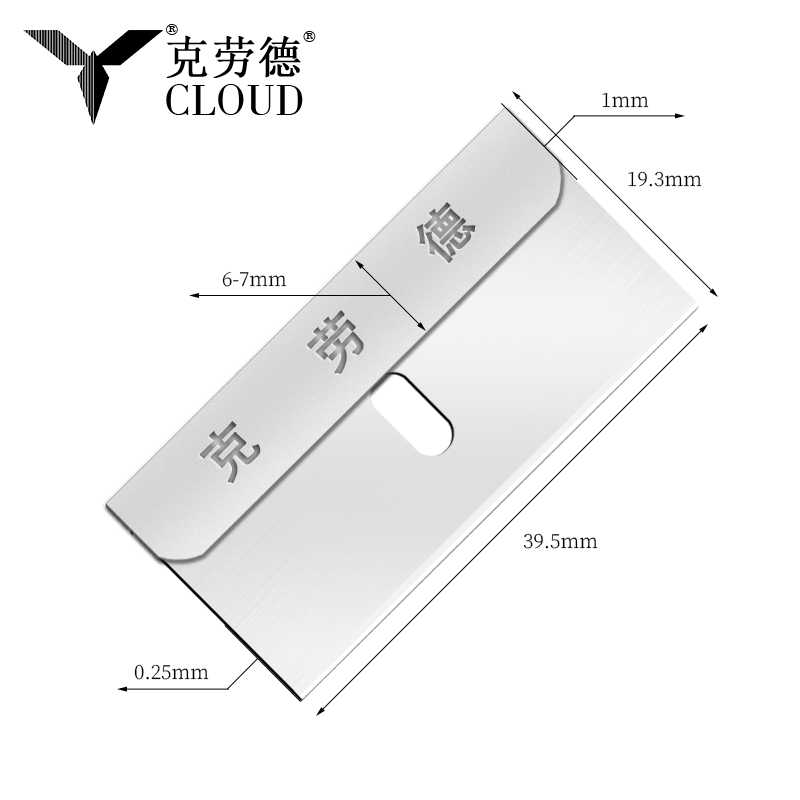
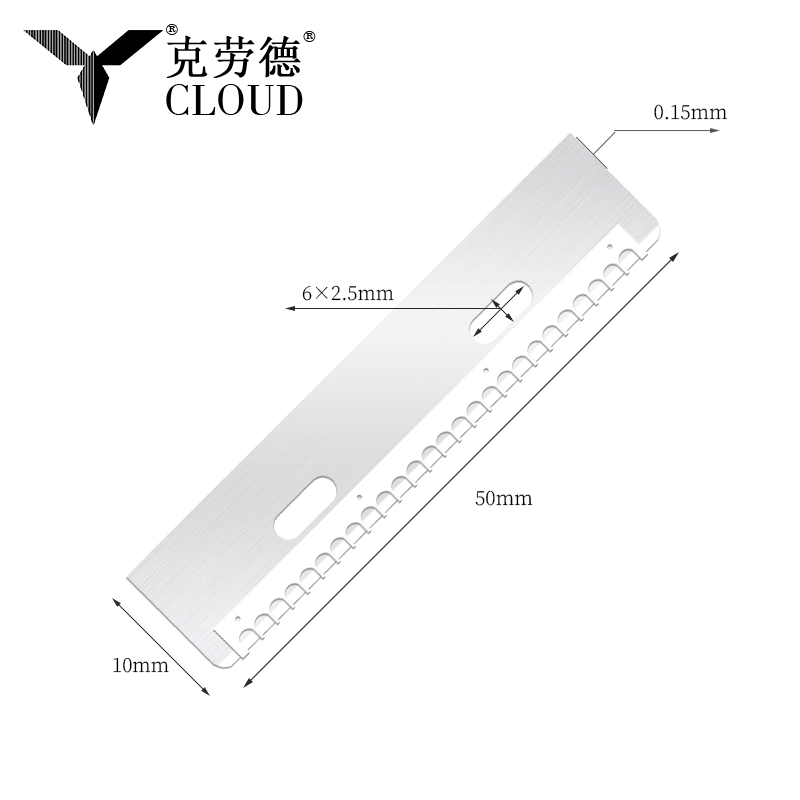
 Cloud Half 74 Blade Super Sharp Razor BladesThese compact half blades offer precision and sharpness for shaving. The product page highlights their durable steel build and small cutting edge, making them worth checking if blade sharpness is causing post-shave irritation.View Product →
If you still experience burning and redness after switching to a sharp blade, the problem may be your technique. Pressing too hard or shaving against the grain in small patches is a common cause of post-shave discomfort. For a refresher on handling blades and reducing irritation, read this practical guide to shaving, blade use, and aftercare. Once the blade cuts properly, your after shave routine will be much shorter.
Common After Shave Care Mistakes
Even with a good razor, a few habits can undo the benefits. Avoid these errors:
- Applying alcohol-based aftershave to dry skin. Alcohol can be useful for preventing infection, but it also strips oil. If you use it, apply to damp skin and follow with a moisturizer immediately.
- Skipping the cool rinse. Residual lather and loose hairs cause friction if left on the skin. They can also clog the moisturizer you apply later.
- Using too much product. A pea-sized balm is enough for the face. Excess product clogs pores without adding hydration.
- Ignoring the neck and jawline. These areas often show the most irritation because the hair grows in different directions. Take an extra 30 seconds to massage the product into the neck.
If you are wondering whether alcohol-based aftershave is safe, the answer depends on your skin type and how you apply it. Some shavers use a splash of alcohol to disinfect after barber-style shaves, while others find that it increases dryness. You can learn more about the pros and cons of applying alcohol to fresh skin in this review of alcohol after shaving.
Choosing After Shave Products for Your Skin Type
There is no universal "best" aftershave. The right product depends on your skin's natural oil production, how often you shave, and the climate you live in.
Dry skin
Look for a thick balm containing glycerin, shea butter, or aloe vera. Avoid alcohol entirely and use a toner only when you will apply a rich moisturizer immediately after. In winter, apply a slightly larger amount than usual, and consider swapping your gel foam for a cream-based shaving soap that leaves more moisture behind.
Sensitive skin
Stick to fragrance-free, alcohol-free products with soothing ingredients like panthenol or allantoin. Test a small patch on your wrist if you switch brands. Also, keep your blade fresh; for travel, where you may have limited space, a compact razor helps.
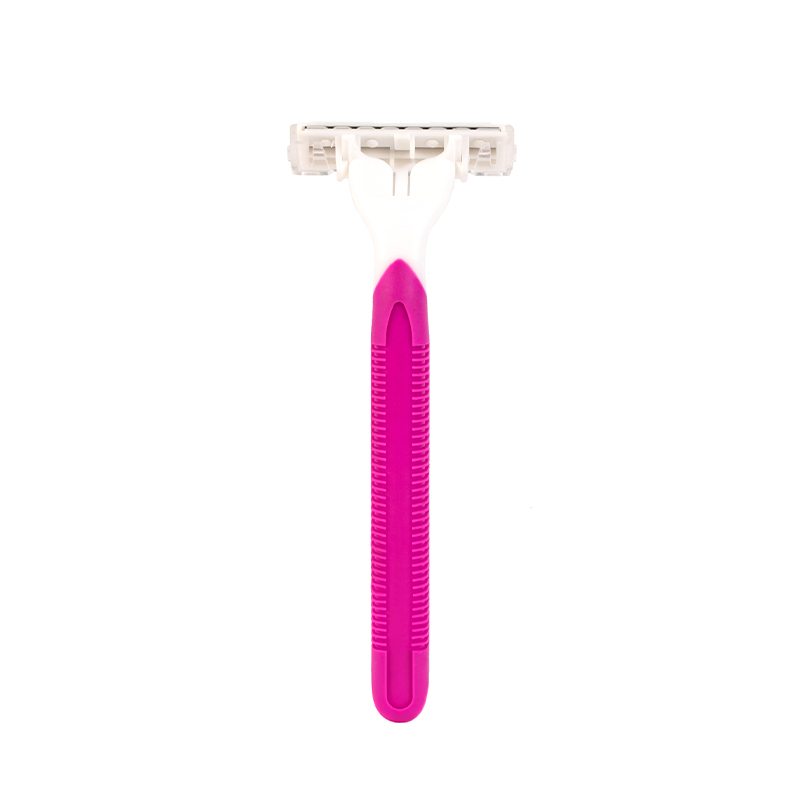 Cloud Travel Disposable Manual Shaver RazorsThis travel-friendly disposable razor features a sturdy hollow handle and protective blade cover. It suits busy schedules and limited storage, helping you keep a consistent shave routine without sacrificing safety or comfort.View Product →
For trips and busy weeks, a travel disposable manual shaver can keep your routine consistent without taking up space in your dopp kit. The blade still needs to be sharp, but the convenience of a full razor in a small package means you are less likely to skip a shave.
Oily skin
A lightweight toner or an alcohol splash can be used in small amounts, but do not skip a light moisturizer. Oily skin still needs balanced hydration; otherwise, it produces even more oil to compensate for the dry feeling.
Combination skin
Use a toner on the T-zone and a balm on the cheeks and neck. This approach works well for people who get dry patches in winter but a shiny forehead by afternoon.
Build a Routine That Works Every Time
After shave care does not need to be complicated, but it does need to be consistent. The order of steps matters: cool rinse, gentle dry, toner if needed, then a moisturizing layer. Equally important is using a blade sharp enough to minimize trauma in the first place. When both sides of the equation work together, your skin recovers quickly and looks clearly better than when the razor is the only thing you think about.
Take two minutes after your next shave to test this routine. You will likely notice less redness within half an hour, and by the end of the day, your skin will feel more comfortable than usual.
Related Products
Looking for a Reliable Blade?
Work with a Manufacturer.
Inquiry Us Now

-
 +86-400 9915 887
 -
 +86-021-57644936
 -
 [email protected]
 -
 No. 2066, Yushu Road, Songjiang District, Shanghai, China
QUICK LINKS
 Home
HomePRODUCTS
QR CODE
Copyright © 2025 Shanghai Cloud Blade Manufacturing Co., Ltd. All rights reserved.
 Custom Double Razor Blade Factory
