Shaving/Straight Razor Handle Manufacturer
Shanghai Cloud Blade Manufacturing Co., Ltd. is a specialized manufacturer and factory of Shaving/Straight Razor Handle products in China. Since 1997, we have integrated R&D, design, production, and sales under one roof, supplying wholesale razor handles to distributors, brands, and professional grooming markets worldwide. Our range covers traditional straight razor handles, T-shaped safety razors, and multi-purpose grooming tools, all engineered for durability, ergonomic control, and compatibility with standard blades.
We understand that a handle is not just a holder—it determines blade angle, pressure distribution, and user comfort. That is why we offer multiple configurations in materials, weight, and grip design, allowing you to match the handle to your target application, whether for barber shops, personal care, or travel kits.
Our Product Range and Application Fit
Our Shaving/Straight Razor Handle series includes 16 standard models, each designed for specific use cases. Below is a breakdown of the main types and where they fit best.
| Handle Type |
Key Features |
Typical Applications |
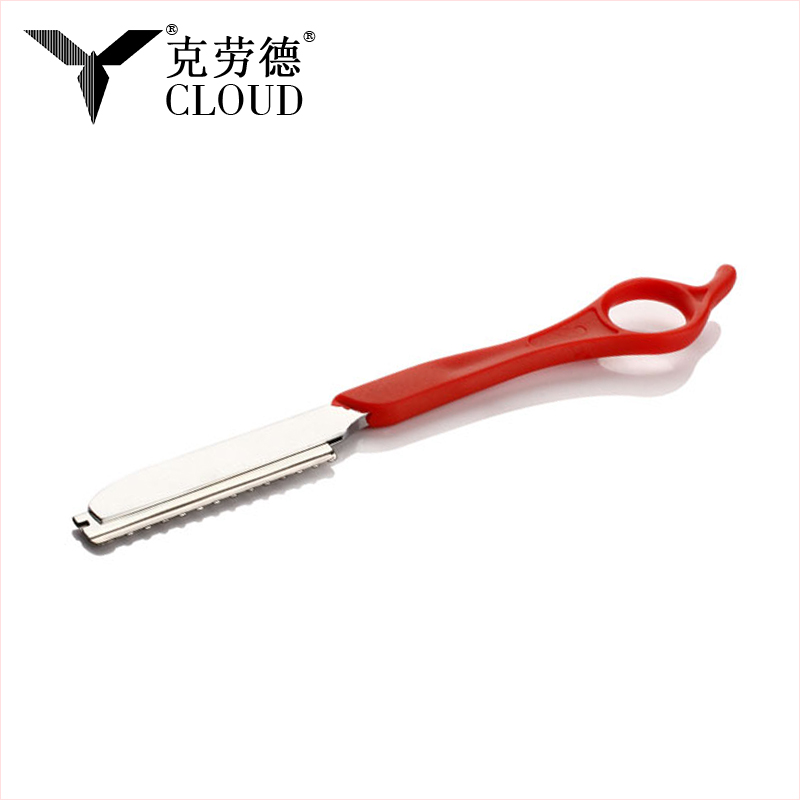
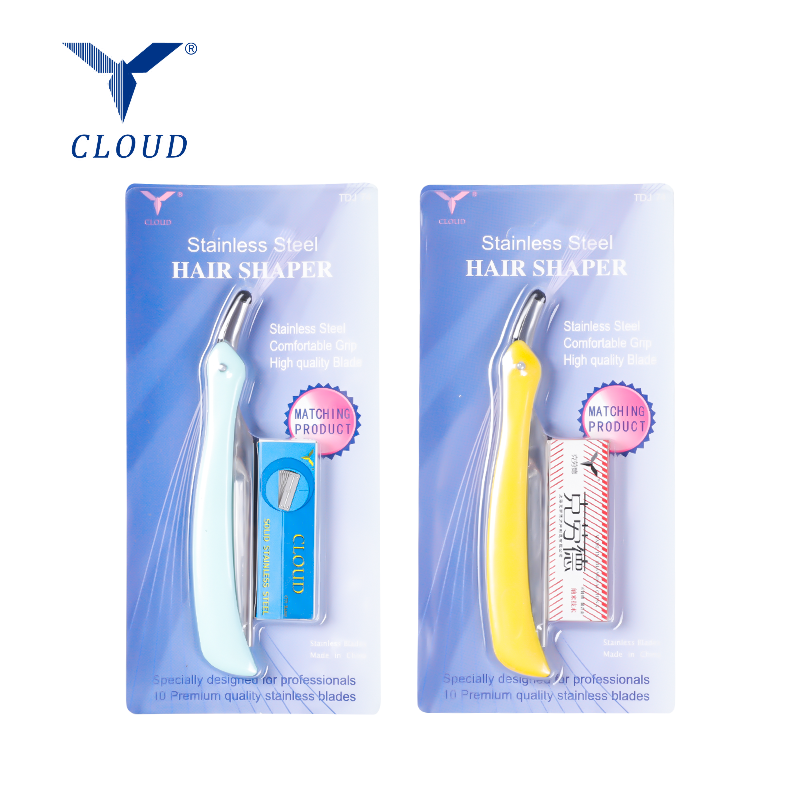
| Straight Razor Handle (Plastic/Stainless) |
Ergonomic grip, corrugated blade slot, 18 cm length, 20–40 g weight |
Professional hair cutting, barber use, precision styling |
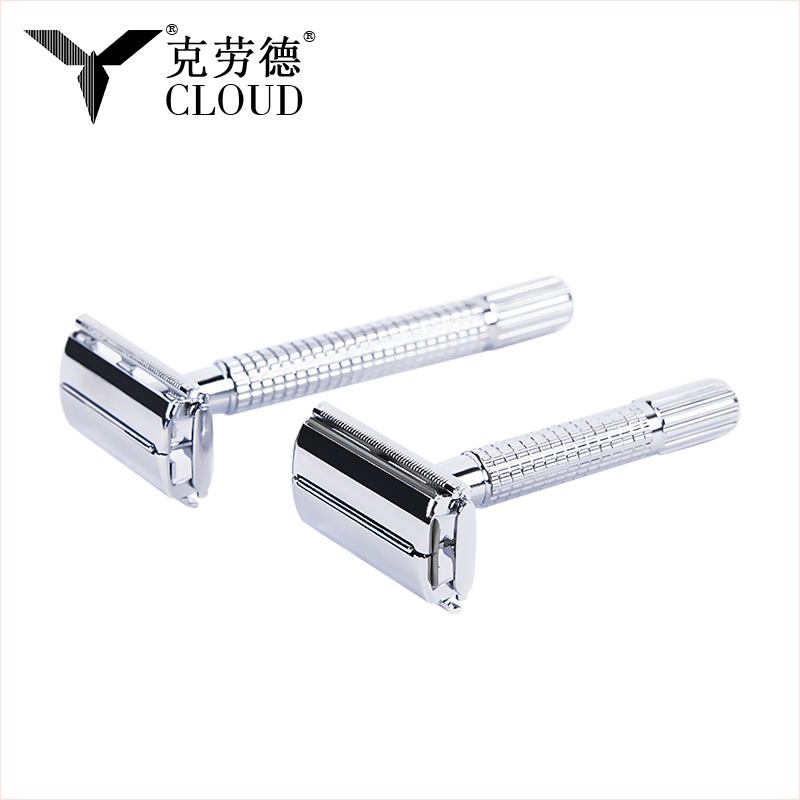
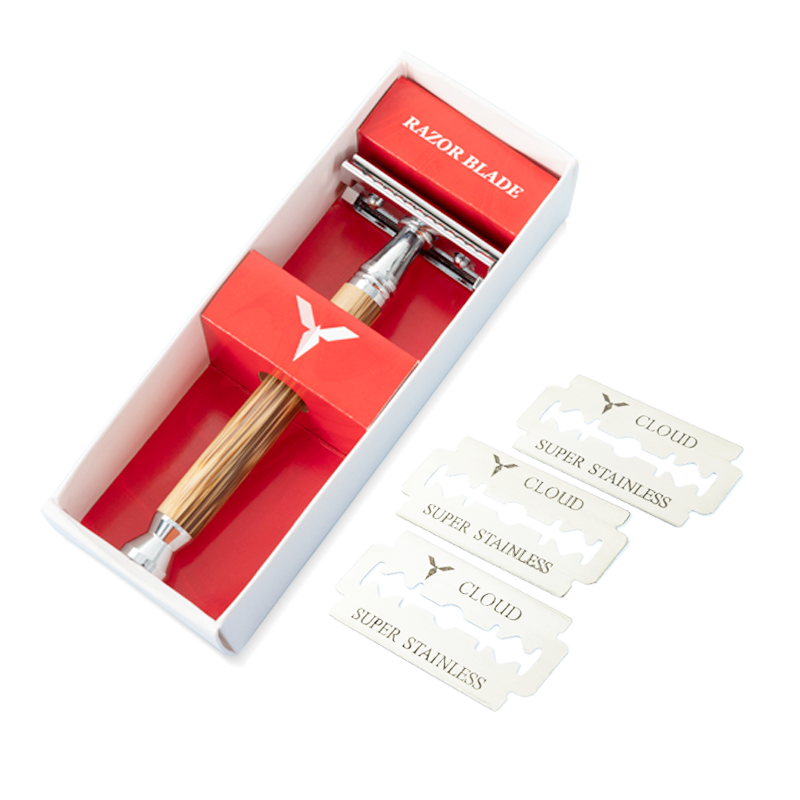
| T-Shaped Double Edge Safety Razor |
Twist-to-open head, stainless steel body, 9–11 cm handle, 46–60 g |
Wet shaving, facial and body grooming, daily use |
| Plastic 74-Blade Razor Handle |
360° rotating head, R-type safety cutter, 16.5 cm, 30 g |
Beard trimming, fine hair removal, travel |
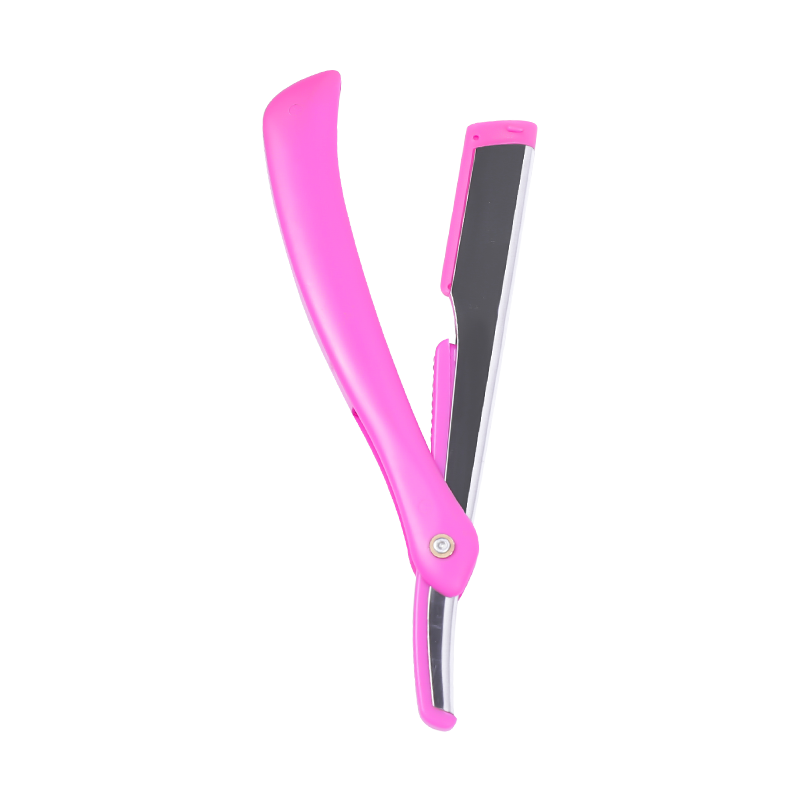
| Foldable Straight Razor |
Portable design, 77-blade compatible, foldable for safety |
Travel, on-the-go grooming, touch-ups |
| Corrugated Straight Razor Handle |
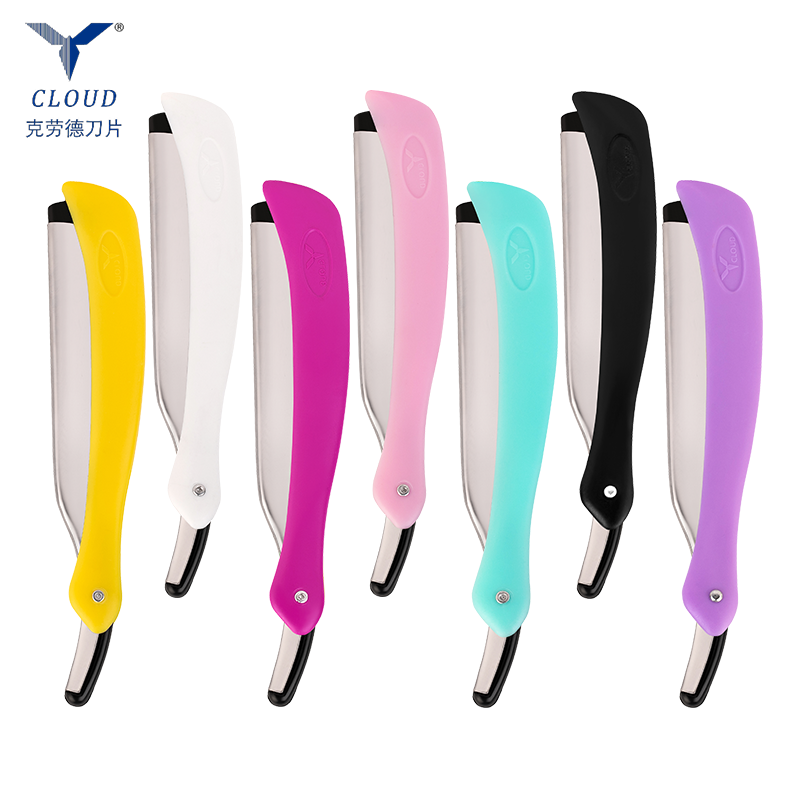
Stainless steel, corrugated texture for non-slip grip, rotating option |
Professional hair shaving, texturizing, thinning |
| Serrated Thinning Razor Holder |
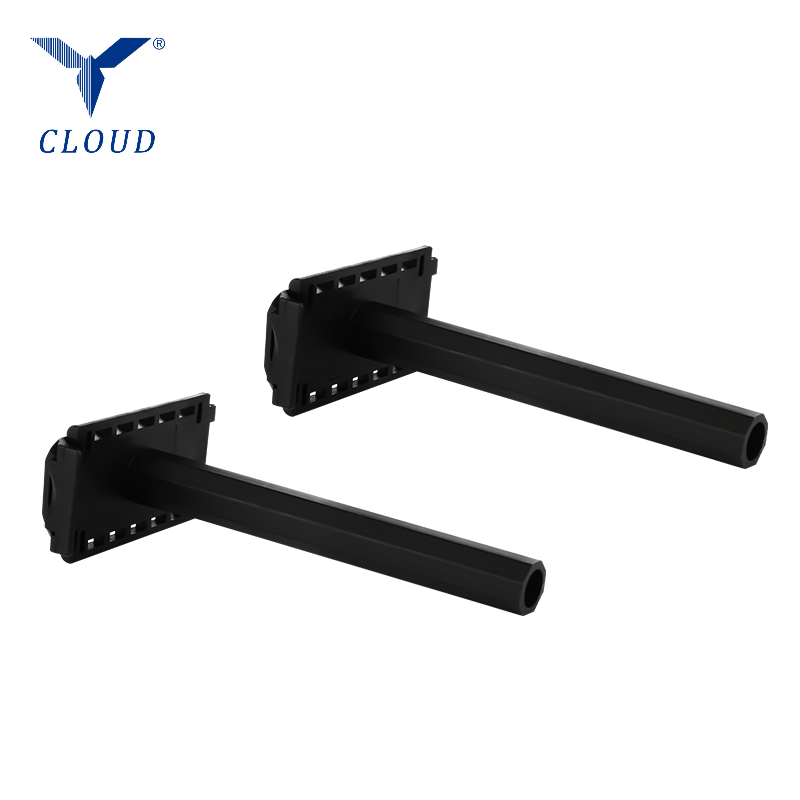
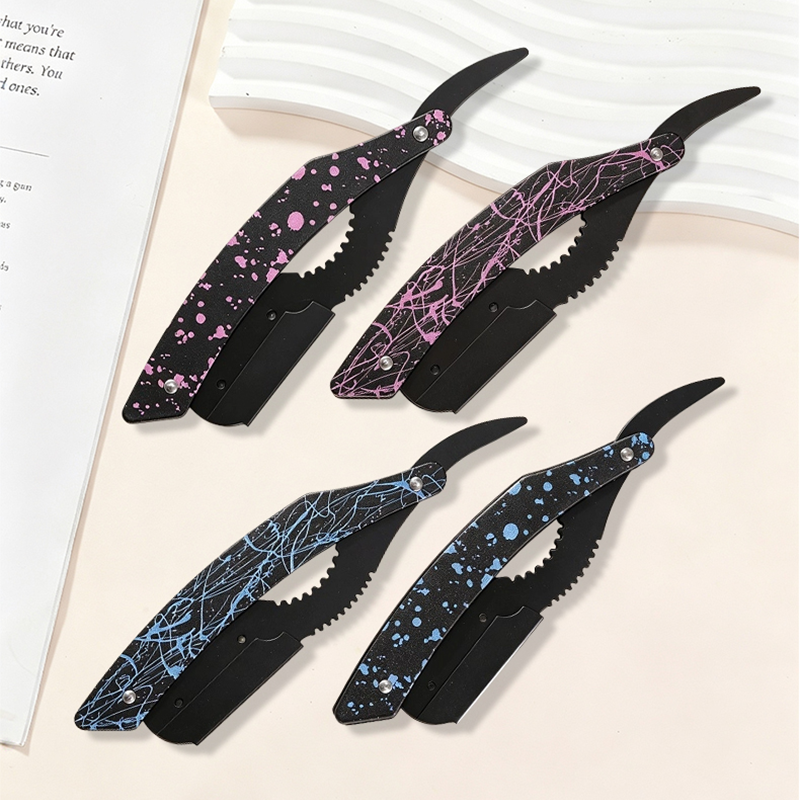
Black matte finish, serrated edge for thinning, ergonomic holder |
Hair thinning, blending, salon use |
Materials and Construction Quality
We use imported high-quality stainless steel for metal components and food-grade PP (polypropylene) for plastic parts. The steel is chosen for corrosion resistance and strength, while the plastic is lightweight and durable. Our manufacturing process includes precision machining and surface treatment to ensure a smooth, consistent finish.
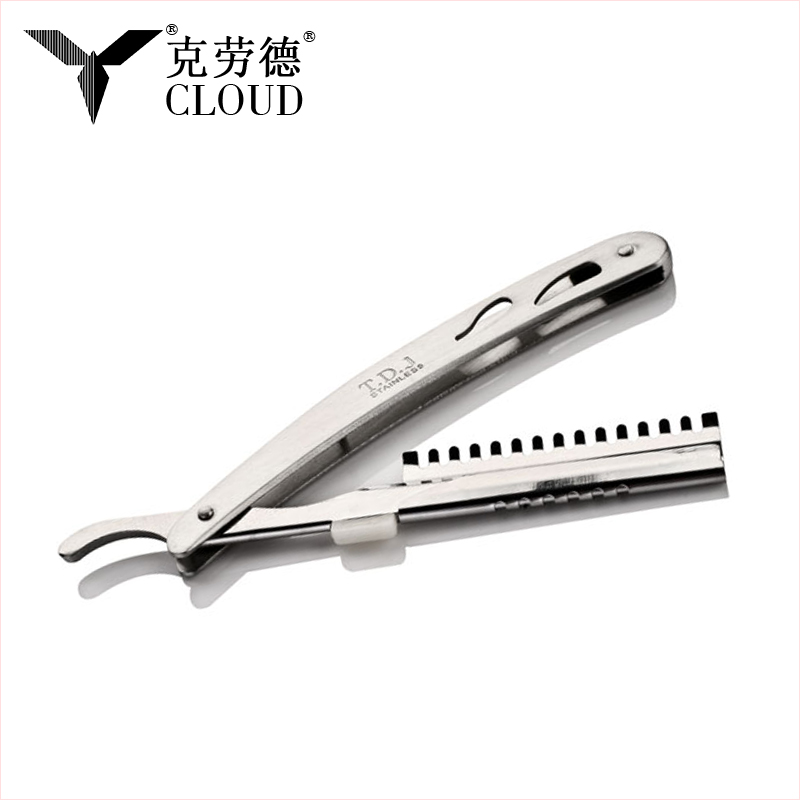
For example, our Hair Cutting Razor Stainless Steel Straight Razor (Plastic Handle) comes in two variants: Model A with a thicker stainless steel structure and PP decoration (40 g) for a stable feel, and Model C with a full PP handle (20 g) for agility. Both maintain the same 18×2.5×0.8 cm dimensions, ensuring compatibility with standard blades.
Critical Specifications and Accuracy
Handle geometry directly affects shaving performance. We design our handles with balanced weight distribution and ergonomic contours to reduce wrist strain and improve blade control. Key specifications include:
- Length: Ranges from 9 cm (T-shaped) to 18 cm (straight razor), allowing for different leverage and maneuverability.
- Weight: 20 g to 60 g, catering to preferences for lightweight or heavier, more stable tools.
- Blade compatibility: Designed for 74 or 77 double-edge blades, with secure locking mechanisms.
- Head rotation: Some models feature 360° rotating heads for better contour following.
We maintain tight tolerances in the blade slot and pivot points to ensure consistent blade alignment and smooth operation. Each handle is inspected for dimensional accuracy and surface finish before packing.
Configuration Options and Customization
As a manufacturer, we offer extensive customization to meet your brand and market needs. You can specify:
- Material: Stainless steel, plastic, or combinations, with different finishes (matte, polished, colored).
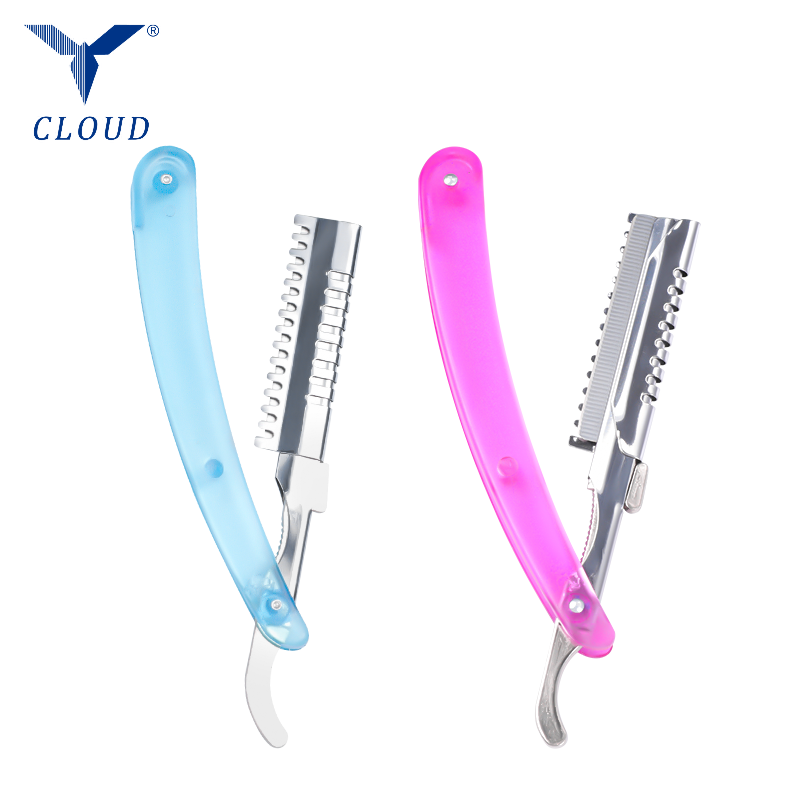
- Color: We offer a variety of colors for plastic handles, as seen in our colorful corrugated rotating handle.
- Packaging: Single unit sets, polybags, or custom retail packaging with your logo.
- Branding: Laser engraving or pad printing of your brand name.
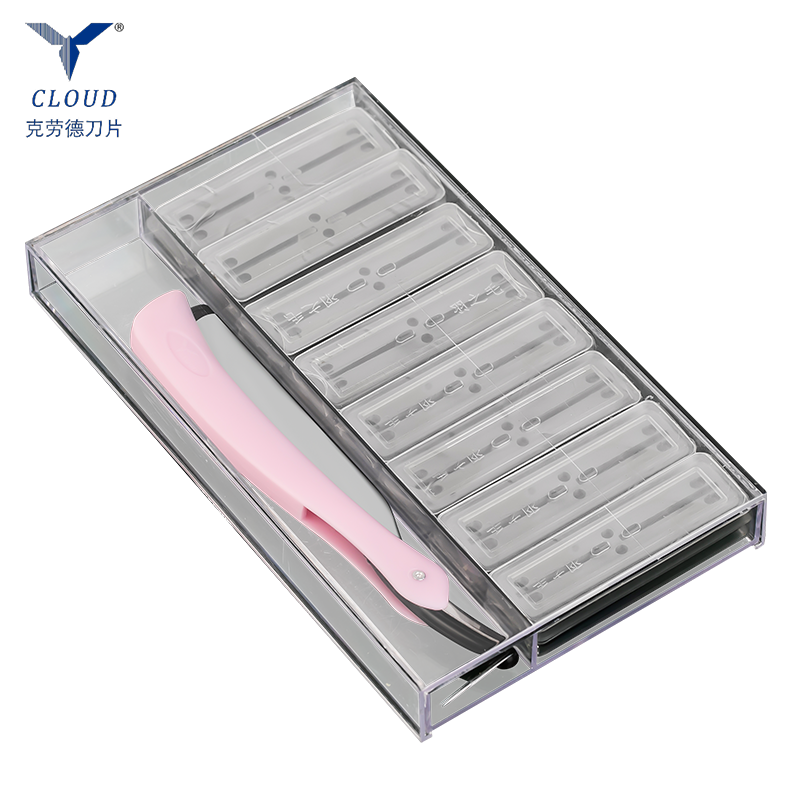
For example, our 74 Blade Manual Razor Set is available with either an ABS plastic handle or a stainless steel handle, giving you the flexibility to target different price points.
Quality Assurance and Acceptance Testing
Our factory operates under ISO9001 quality management systems. We conduct incoming material inspection, in-process checks, and final random sampling before shipment. For handles, we test for:
- Blade fit and retention
- Twist mechanism smoothness (for T-shaped razors)
- Surface finish and corrosion resistance
- Impact resistance of plastic parts
We also offer pre-shipment inspection reports upon request, and our after-sales team supports any quality issues with return or exchange policies.
Integration with Blades and Accessories
Our handles are designed to work seamlessly with our own Double Edge Razor Blades and Single Edge Razor Blades, ensuring optimal performance. We can also supply handles and blades as a bundled kit, simplifying your procurement and inventory management.
Information We Use to Configure Your Solution
To prepare an accurate quotation and sample, please provide the following details:
- Target application (e.g., professional barber, home use, travel)
- Preferred handle type and material
- Desired dimensions and weight range
- Color and finish preferences
- Packaging requirements (retail, bulk, custom)
- Estimated annual quantity and order frequency
- Any specific blade compatibility needs
Maintenance and Serviceability
Our handles are designed for easy cleaning and blade replacement. Stainless steel models are fully washable and rust-proof. For plastic handles, we recommend wiping dry after use. Replacement blades are widely available, and our customer service can assist with spare parts if needed.
Frequently Asked Questions
Q: What is the minimum order quantity for custom handles?
A: Our MOQ varies by model and customization level. For standard handles, we can accommodate small trial orders, while custom colors or branding may require a higher quantity. Contact us with your requirements, and we will provide a specific MOQ.
Q: Can you match a specific blade brand or type?
A: Yes, our handles are designed to be compatible with standard 74 and 77 double-edge blades. If you have a specific blade in mind, we can test fit and adjust the handle design accordingly.
Q: Do you provide samples before mass production?
A: Yes, we offer samples for evaluation. Sample costs are usually deducted from the final order. Please allow 5-7 days for sample preparation and shipping.
Q: What is your typical lead time for bulk orders?
A: For standard handles, lead time is approximately 15-25 days after order confirmation. Custom orders may take longer depending on the complexity. We will provide an exact schedule with your quotation.
Q: How do you ensure quality consistency across large orders?
A: We follow ISO9001 procedures, with strict inspection at each stage. Our automated production lines and experienced QC team ensure that every batch meets the same high standards.


 ENG
ENG
 English
 Español






 +86-400 9915 887
  +86-021-57644936
 No. 2066, Yushu Road, Songjiang District, Shanghai, China
  Home
Home
