

 ENG
ENG
 English
 Español
Message Feedback

Industry News
Apr 16,2026
The Complete Buyer's Guide to Double Edge Razor Blades in 2026
Content
- 1 Why Double Edge Razor Blades Still Outperform Modern Alternatives
- 2 Choosing the Best Double Edge Blade for Sensitive Skin
- 3 A Practical Guide: Double Edge Blade for Beginners
- 4 Understanding Blade Specifications: What the Numbers Actually Mean
- 5 How to Get More Shaves Per Blade Without Sacrificing Quality
Why Double Edge Razor Blades Still Outperform Modern Alternatives
Despite the rise of multi-blade cartridge systems and electric shavers, double edge razor blades have held their ground — and for good reason. A single double edge blade cuts hair cleanly with one pass, reducing the repeated traction that multi-blade systems apply across the skin. Studies on razor-related skin irritation consistently point to blade count and drag as primary causes of post-shave redness and ingrown hairs. With a DE blade, you control the angle, pressure, and number of passes, which puts the quality of your shave entirely in your hands.
Cost efficiency is another compelling argument. A pack of 100 premium double edge razor blades typically costs less than a single cartridge refill pack of comparable quality. Over a year of daily shaving, the savings can exceed $150–$200 depending on your previous razor brand. Beyond economics, the reduced plastic waste makes DE blades a responsible choice for environmentally conscious shavers.
Choosing the Best Double Edge Blade for Sensitive Skin
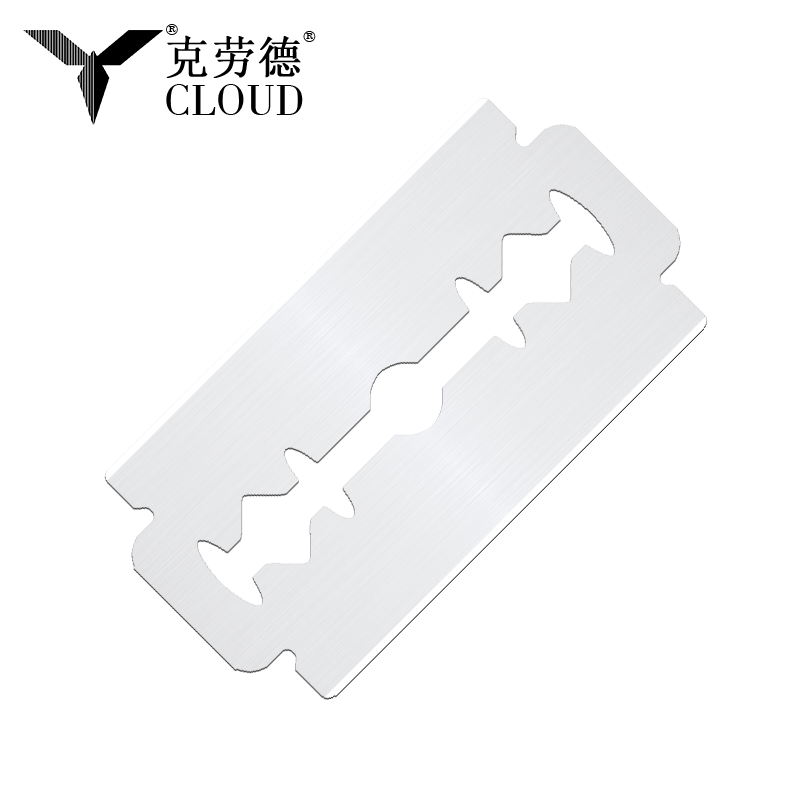
Finding the best double edge blade for sensitive skin requires balancing sharpness with smoothness. A blade that is too sharp can feel aggressive on reactive skin, while a dull blade forces you to apply more pressure — equally damaging. The sweet spot lies in blades engineered with a fine edge geometry and a protective coating, such as platinum or PTFE (polytetrafluoroethylene), which reduces friction on the first pass.
Key Features to Look For
- Platinum or polymer coating for low-drag glide
- Medium sharpness profile — sharp enough for one-pass efficiency, not so aggressive it bites
- Consistent edge geometry from blade to blade (manufacturing tolerances matter)
- Premium imported steel — higher-grade steel holds its edge longer, reducing the number of passes needed per shave
Blades made from premium imported steel are particularly well-suited for sensitive skin because the refined metallurgy produces a more uniform edge. Lower-grade steel can develop micro-serrations invisible to the naked eye that drag and tug against skin — exactly what causes burning and redness. Opting for a blade with a certified steel grade is one of the most underrated decisions a sensitive-skin shaver can make.
Pairing the right blade with a quality pre-shave routine amplifies the benefit. Using a warm towel or pre-shave oil before applying shaving cream softens the hair and opens the pores, allowing even a moderately sharp blade to perform like a premium option. The blade does less work, skin experiences less friction, and the result is a clean, close shave with minimal irritation.
A Practical Guide: Double Edge Blade for Beginners
Switching to a safety razor for the first time is rewarding, but the learning curve is real. The most common beginner mistake is using the same angle and pressure they applied with cartridge razors. With a DE razor, 30 degrees is the target angle — let the weight of the razor head do the work rather than pressing the blade into the skin.
For anyone selecting a double edge blade for beginners, the priority should be forgiving performance over maximum sharpness. A very sharp blade in the hands of an inexperienced user often leads to nicks and irritation during the learning phase. The goal at the beginning is building muscle memory for angle and pressure, not chasing the closest possible shave on day one.
Beginner Blade Selection Criteria
| Criteria | Beginner Priority | Advanced User Priority |
|---|---|---|
| Sharpness Level | Mild to Medium | Medium to Ultra-Sharp |
| Coating | Platinum / PTFE recommended | May prefer uncoated for feedback |
| Blade Lifespan | 3–5 shaves | 5–7 shaves |
| Steel Grade | Premium imported steel | Premium imported steel |
| Forgiveness | High | Low to Medium |
Starting with a blade sampler kit is one of the smartest moves a beginner can make. Trying 4–6 different blades over consecutive weeks in the same razor reveals exactly how your specific skin and hair type respond to different sharpness levels and coatings. No guide — including this one — can substitute for direct personal testing, but a sampler eliminates the guesswork and avoids committing to 100 blades of a type that doesn't work for you.
Understanding Blade Specifications: What the Numbers Actually Mean
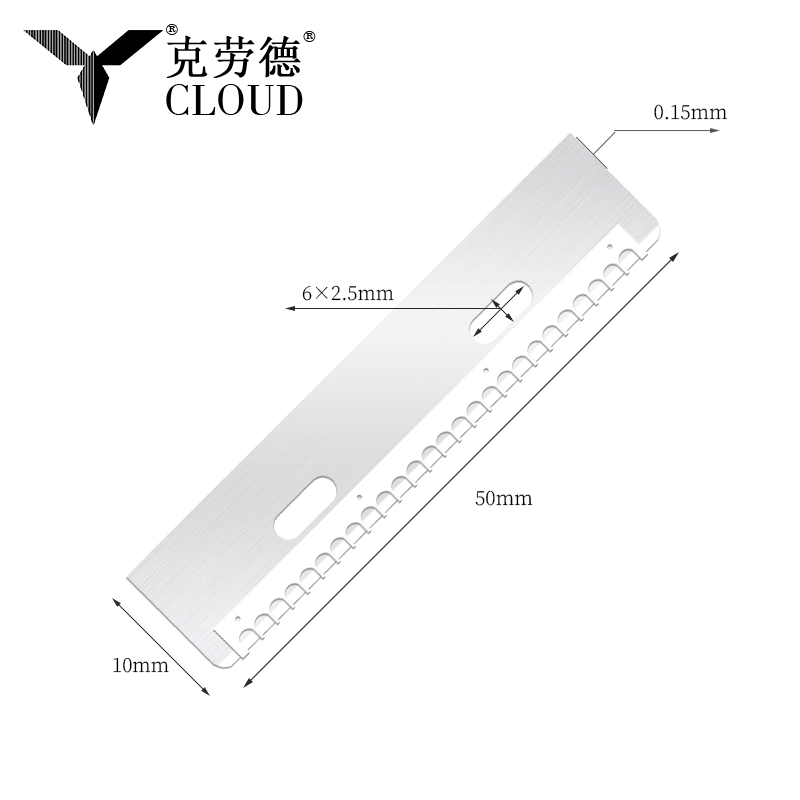
Blade manufacturers often list specifications that seem technical but translate directly into shaving performance. Thickness, for example, affects how much the blade flexes during a shave. A thicker blade vibrates less, which improves control and reduces chatter — the micro-skipping sensation some shavers feel on a difficult pass. Standard DE blades measure approximately 0.1 mm in thickness, but premium variants may deviate slightly to optimize rigidity.
Edge treatments also matter more than most shavers realize. Beyond platinum coating, some blades undergo chromium treatment for rust resistance, which extends usable life in humid bathroom environments. Others receive a polymer lubricating strip, similar in concept to cartridge razors but more subtle in application. For daily shavers in tropical or high-humidity climates, these treatments are not marketing additions — they directly extend the blade's functional lifespan.
Custom Blade Options for Professional Use
Barbershops and grooming professionals operate under different demands than personal users. Blade turnover is faster, hygiene requirements are stricter, and consistency across every shave matters for reputation. Purpose-built blades for professional environments are available with custom thickness tolerances, tailored sharpness profiles, and even branded packaging options. For barbershop owners sourcing at volume, specifying blade parameters — from steel grade to edge treatment to individual wrapper design — ensures every client receives the same quality experience regardless of who performs the shave.
How to Get More Shaves Per Blade Without Sacrificing Quality
Blade longevity is frequently misunderstood. Most shavers replace blades based on a fixed schedule — after three shaves, after five shaves — rather than actual performance degradation. A more reliable indicator is the sound and feel of the shave itself: increased tugging, audible scraping, or the need to apply more pressure all signal that it's time to change. Replacing a blade before these signs appear wastes money; continuing past them risks skin damage.
Proper blade care between shaves dramatically extends usable life. After each shave, rinse the razor under running water, shake off excess moisture, and store it upright or in a razor stand — never face-down on a wet surface. Some shavers dip their razor briefly in isopropyl alcohol to displace water from the edge, which prevents the micro-oxidation that dulls blades before their time. These habits cost nothing but add one to three additional shaves per blade across a year of consistent use.
Ultimately, the relationship between blade quality and shaving outcome is direct. Premium double edge razor blades made from high-grade imported steel, engineered to precise specifications, and matched correctly to your skin type and experience level transform shaving from a chore into a controlled, repeatable ritual. The initial investment in understanding which blade works for you pays back compoundly — in smoother skin, lower long-term costs, and the quiet confidence that comes from a genuinely excellent shave.
Related Products
Looking for a Reliable Blade?
Work with a Manufacturer.
Inquiry Us Now

-
 +86-400 9915 887
 -
 +86-021-57644936
 -
 [email protected]
 -
 No. 2066, Yushu Road, Songjiang District, Shanghai, China
QUICK LINKS
 Home
HomePRODUCTS
QR CODE
Copyright © 2025 Shanghai Cloud Blade Manufacturing Co., Ltd. All rights reserved.
 Custom Double Razor Blade Factory
