

 ENG
ENG
 English
 Español
Home / News / Industry News / How to Shave Without Razor Burn: A Practical Guide to Really Smooth Skin
Message Feedback

Industry News
Oct 13,2026
How to Shave Without Razor Burn: A Practical Guide to Really Smooth Skin
Razor burn has a way of showing up after the shave is already finished. The skin looks fine while you rinse, then it tightens, turns pink, and stings for the next few hours. It is frustrating, but it is rarely a mystery. Almost every case traces back to the same short list of causes: hair that was not softened, a blade that was not sharp, pressure that was not needed, or one pass too many. We have been making razor blades since 1997, so we spend our working days thinking about what an edge does to skin at a very small scale. Here is how to shave without razor burn, in the order that actually matters.
Content
- 1 What Razor Burn Really Is
- 2 Prep the Skin Before the Blade Ever Touches It
- 3 The Blade Matters More Than Most People Expect
- 4 Technique: Light Pressure, Short Strokes, Right Direction
- 5 Match the Tool to Your Skin and the Area
- 6 Common Triggers and What Actually Fixes Them
- 7 Aftercare: Calming the Skin After the Last Stroke
- 8 When Razor Burn Keeps Coming Back
What Razor Burn Really Is
Razor burn is irritation, not infection. It is the skin's reaction to friction and to the thin layer of surface cells a blade removes along with the hair. When an edge slices cleanly, the hair comes away with very little drag. When an edge scrapes instead, it lifts the hair before cutting it and pulls at the follicle, and the skin underneath pays for it with redness, warmth and that familiar stinging tightness.
It also helps to separate razor burn from razor bumps. Burn appears within minutes to hours and feels like a mild surface burn. Bumps and ingrown hairs show up a day or two later, when hair curls back into the skin. The two share a root cause, which is why the fixes overlap so much.
Some people are simply more prone to irritation: coarse or curly hair, dry skin, and the neck and jawline, where the grain changes direction and the skin is thin. None of that makes razor burn unavoidable. It just means the details matter more.
Prep the Skin Before the Blade Ever Touches It
Most people treat prep as optional. It is not; it is where a comfortable shave is won. Warm water does two useful things at once. It softens the hair so the blade needs less force to cut through it, and it makes the skin more pliable so it flexes rather than tears.
A short routine is usually enough:
- Shave at the end of a warm shower, or hold a warm, wet cloth against the area for two to three minutes.
- Wash the area first to remove oil and dead skin, which is what clogs a blade and pushes you to press harder.
- Exfoliate gently once or twice a week, not every day. Aggressive scrubbing leaves skin raw before the razor arrives.
- Apply a shave cream, gel or slick soap, and let it sit for about 30 seconds before the first stroke.
- Never shave over dry skin, and never shave over a patch that is already irritated.
The Blade Matters More Than Most People Expect
The biggest single upgrade most people can make is a sharp blade used for fewer shaves. Sharpness is not the same as aggression. A properly honed edge cuts hair at skin level with almost no resistance, which means fewer passes, less friction and less irritation. A blade that has started to dull does the opposite: it tugs, you press harder to compensate, and the skin takes the damage.
Coating is the other half of the story. In our Shanghai factory we invested in magnetron sputtering coating equipment to apply nano-chromium and alloy layers, followed by a polymer coating that helps the edge glide. That is the reason a good blade feels smooth on the first stroke without any extra pressure.
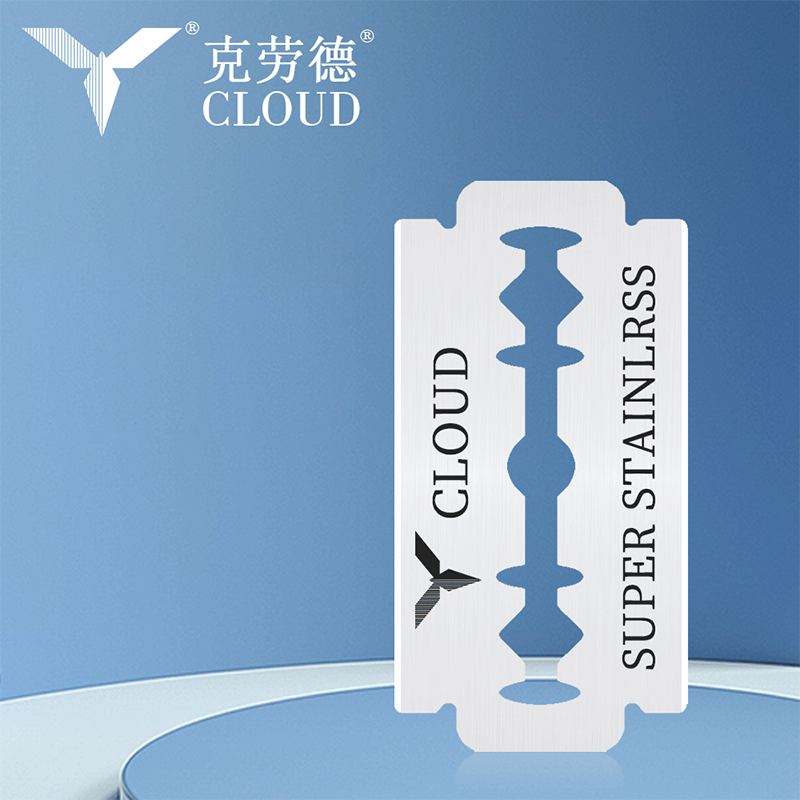 Custom Super Steel 74 Double Edge Razor BladesThese double edge blades from Cloud use premium rolled steels for hardness, corrosion resistance, edge retention, and consistent shaving; OEM customization and samples are available.View Product →
How often should a blade be changed? There is no universal number, but the signal is easy to read. The moment an edge starts pulling instead of cutting, or needs a second stroke to clear the same patch, it is finished. For many people that falls somewhere between five and ten shaves. Coarse hair, infrequent rinsing, and blades left sitting wet in the shower all shorten that window.
Technique: Light Pressure, Short Strokes, Right Direction
Pressure is the most common mistake. A razor does not need to be pushed into the skin; it needs to be guided across it. If you can feel the blade pressing, you are already using too much force.
- Map the grain first. Run a finger across the stubble and find the direction each patch grows in. On the neck it often changes halfway down.
- Shave with the grain on the first pass, using short strokes of two to three centimetres.
- Keep the handle at a shallow angle, roughly thirty degrees for a double-edge razor, and let the head follow the contours of the face.
- Rinse the blade every few strokes. A clogged blade drags, and dragging is what causes burn.
- Re-lather before a second pass, then shave across the grain rather than straight against it.
- Stop at two passes. Touch-ups over unlathered skin cause more irritation than the stubble you are chasing.
Stretch the skin lightly with your free hand where it is loose, and take extra care on the upper lip and along the jaw, where a blade tends to skip.
Match the Tool to Your Skin and the Area
There is no single best razor, only the one that suits your hair, your skin and the area you are working on. A double-edge safety razor with a heavier handle gives you the most control over angle and pressure, which makes it a strong choice for coarse beard hair. Pair it with a fresh, well-coated blade and the whole shave takes noticeably less effort.
 Custom 74 Stainless Steel Double Edge Twist Open RazorThis stainless steel safety razor handle offers three weights and an easy twist-open head, with drainage comb and A3 steel construction for all-body use.View Product →
If your skin is reactive, or you shave legs and underarms as well as your face, a lighter reusable razor with a flexible head is often kinder. It is more forgiving of small changes in angle, which matters on curved surfaces.
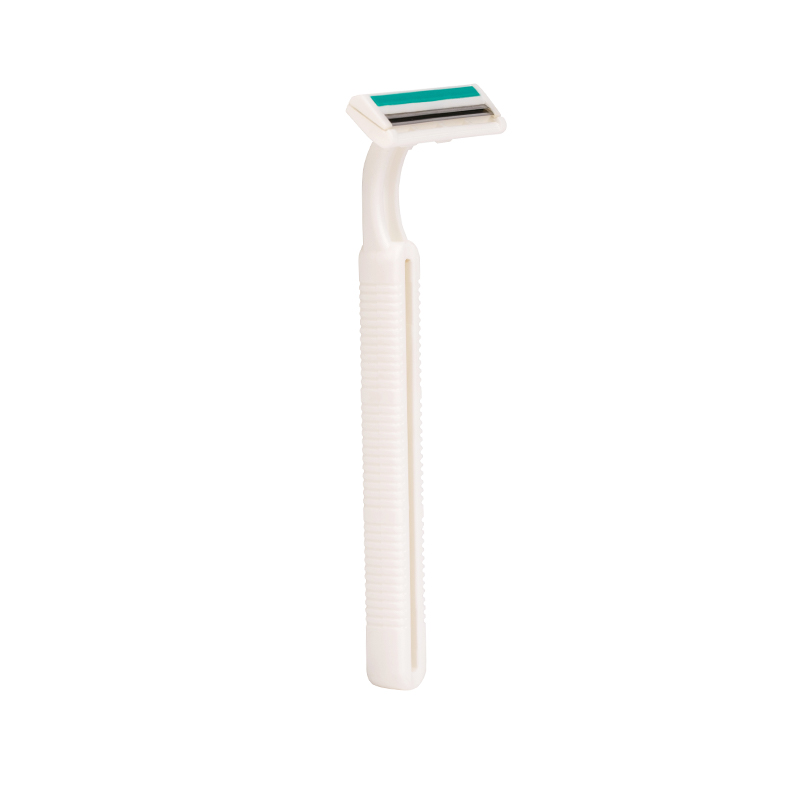 Custom Reusable Razor for Sensitive SkinA dual-blade reusable manual razor with replaceable 6Cr13 stainless steel blades and a blade protection layer, designed for sensitive skin shaving.View Product →
Single-blade disposable razors still have their place for travel and quick touch-ups, especially the ones built with rounded edges and a lubricating strip. We took a closer look at the design features that help disposable blades reduce irritation if you want to know what to look for before buying.
Common Triggers and What Actually Fixes Them
When burn keeps coming back, it is usually one habit rather than the whole routine. This table covers the triggers we hear about most often.
| Trigger | What it does to the skin | What to change |
|---|---|---|
| Dry shaving | The blade drags and friction spikes across the surface | Always use warm water and a slick lather |
| Dull or corroded blade | Hair is tugged instead of cut, so more passes are needed | Swap the blade at the first sign of pulling |
| Pressing down hard | The edge flexes and digs slightly into the skin | Let the weight of the razor do the work |
| Too many passes | The same patch is scraped repeatedly with little hair left | Stop at two passes and re-lather in between |
| Against the grain too early | Follicles are lifted and cut too short on the first pass | Go with the grain, then across it |
| Re-stroking without lather | A bare blade drags across bare skin | Reapply lather before any touch-up |
Aftercare: Calming the Skin After the Last Stroke
What you do in the two minutes after shaving decides how the next few hours feel. Rinse with cool water, then pat the skin dry with a clean towel instead of rubbing it.
- Skip alcohol-based splashes. They feel bracing and leave skin drier and more reactive.
- Use a fragrance-free moisturiser or a soothing balm while the skin is still slightly damp.
- Give the area a few hours before heavy sweating, tight collars or another shave.
- Keep scrubs, retinol and strong acids away from freshly shaved skin for at least a day.
- If the skin feels hot, a cool damp cloth for a few minutes does more than any product.
Mild burn usually settles within a day or two. If redness spreads, blisters, or becomes painful rather than tender, treat it as a skin problem and speak to a doctor rather than simply adjusting your routine.
When Razor Burn Keeps Coming Back
If irritation shows up shave after shave, the answer is rarely that your skin is simply sensitive. It is more often a blade that is past its best, a direction that fought the grain, or pressure that crept back in without you noticing. Pick one thing, change it for two weeks, and see what happens. Most people find their answer in the first three items: softer hair, a sharper blade, lighter hands.
We have spent close to three decades making blades for shaving, eyebrow shaping and medical use, and the questions we get most often are collected on our FAQ page. If you are comparing blade types, coatings or handle options, it is a reasonable place to start.
Related Products
Looking for a Reliable Blade?
Work with a Manufacturer.
Inquiry Us Now

-
 +86-400 9915 887
 -
 +86-021-57644936
 -
 [email protected]
 -
 No. 2066, Yushu Road, Songjiang District, Shanghai, China
QUICK LINKS
 Home
HomePRODUCTS
QR CODE
Copyright © 2025 Shanghai Cloud Blade Manufacturing Co., Ltd. All rights reserved.
 Custom Double Razor Blade Factory
