

 ENG
ENG
 English
 Español
Home / News / Industry News / Factors to Consider When Selecting a Single Edge Razor Blade for Your Task
Message Feedback

Industry News
Dec 03,2025
Factors to Consider When Selecting a Single Edge Razor Blade for Your Task
Selecting a single edge razor blade requires matching blade properties to the specific cutting task. The right blade reduces effort, improves cut quality, and minimizes rework or safety incidents. This article reviews the practical factors—material, geometry, coating, thickness, holder compatibility, and service practices—that determine performance for applications such as trimming, scraping, scoring, industrial slitting, and precision craft work.
Content
- 1 Blade material and its impact on wear and corrosion resistance
- 2 Edge geometry and grind type for cutting performance
- 3 Thickness, rigidity and application fit
- 4 Coatings and surface treatments that extend life or reduce friction
- 5 Nozzle, slot and mounting compatibility with holders and machines
- 6 Safety, handling, storage and sharps disposal
- 7 Performance testing and quality indicators to request from suppliers
- 8 Cost, inventory planning and lifecycle considerations
- 9 Environmental and regulatory considerations
- 10 Quick comparison: common blade materials and their application fit
- 11 Specification checklist before purchase
- 12 Conclusion: match attributes to operational priorities
Blade material and its impact on wear and corrosion resistance
Material selection is the primary determinant of a blade's durability and service environment. Common materials include high-carbon steel, stainless steel grades, and specialty tool steels. High-carbon steel accepts and retains a sharp edge but is more prone to corrosion if exposed to moisture or corrosive compounds. Stainless variants resist rust and are preferable when blades contact wet surfaces or cleaners, but some stainless steels can be softer and wear faster unless alloyed for higher hardness. Tool steels or hardened stainless blends provide a balance of edge retention and corrosion resistance for demanding industrial cycles.
When specifying material, request hardness or composition data from the supplier (for example, Rockwell hardness and alloy spec). Higher hardness generally improves edge life but can increase brittleness; select a grade that maintains toughness for impact-prone tasks such as scraping or chipping.
Edge geometry and grind type for cutting performance
Edge geometry—bevel angle, micro-bevel, and whether the blade is flat-ground or hollow-ground—affects cutting force, durability, and the type of cut produced. Narrow bevels with acute angles require less force and produce cleaner slices in thin materials, but they dull faster. Blunter bevels or backswept profiles add robustness for heavy-duty scraping and sheet metal trimming. Micro-bevels can improve edge life while preserving an initially sharp feel.
For precision trimming of films, tapes, or paper, choose a finer grind and consistent factory edge finish. For scraper or utility applications where edges may encounter hard contaminants, specify a grind and substrate that emphasize fracture resistance over sheer sharpness.
Thickness, rigidity and application fit
Blade thickness defines stiffness and resistance to deflection. Thin single edge blades are excellent for controlled, low-force slicing and scoring tasks; thicker blades resist bending under lateral loads and are better for scraping or cutting fibrous materials. When using a blade in a holder, check the holder tolerance—excessly thin blades may chatter or slip, while overly thick blades might not seat correctly.
Consider the trade-off: thinner blades often yield higher initial sharpness and finer cuts, while thicker blades extend useful life for abusive applications. If the task alternates between precision and heavy work, plan for two blade types or a reinforced option.
Coatings and surface treatments that extend life or reduce friction
Coatings such as titanium nitride (TiN), PTFE, or other low-friction films reduce build-up on the edge, lower friction during cutting, and can slow corrosion. TiN increases surface hardness and can significantly extend wear life in abrasive environments. PTFE-like coatings improve slide through sticky materials and reduce fouling when cutting adhesives or tapes. Verify coating adhesion and process compatibility, since poor coatings can flake and alter cut quality.
When specifying coated blades, request test data showing wear improvement and confirm whether the coating changes blade dimensions or tolerance that affects holder fit.
Nozzle, slot and mounting compatibility with holders and machines
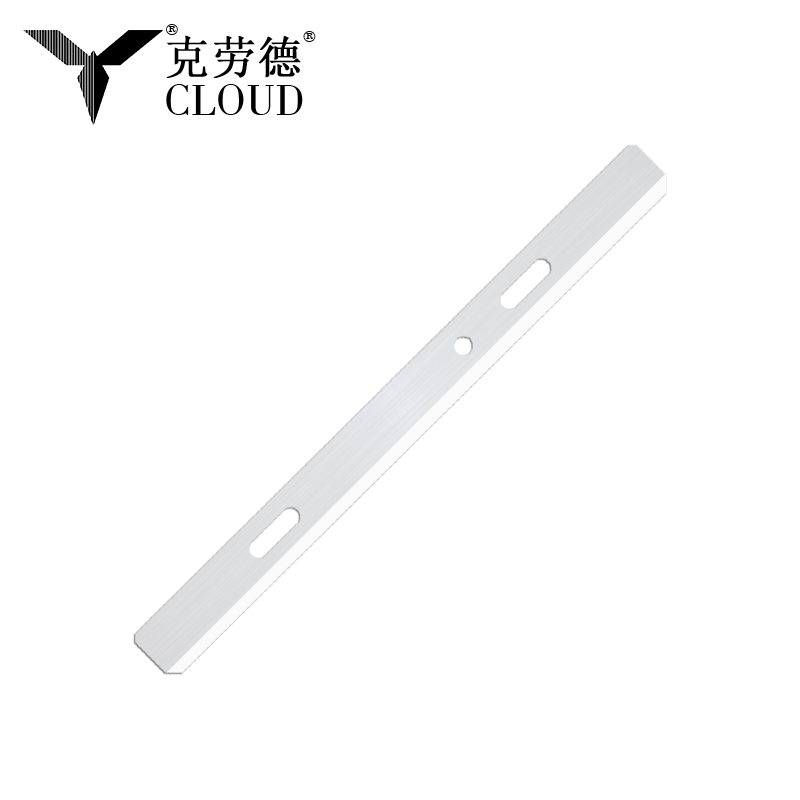
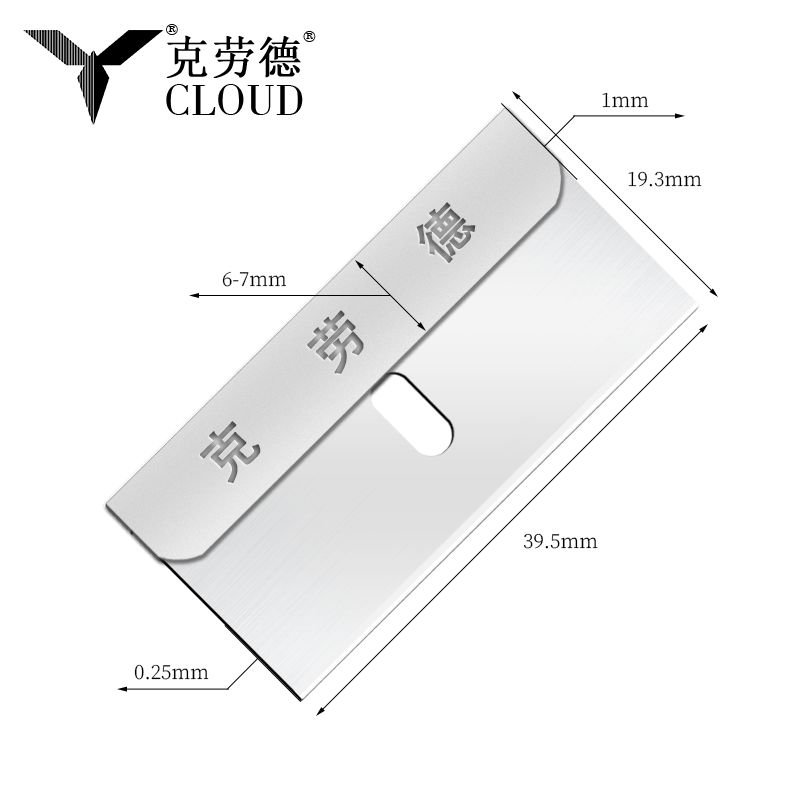
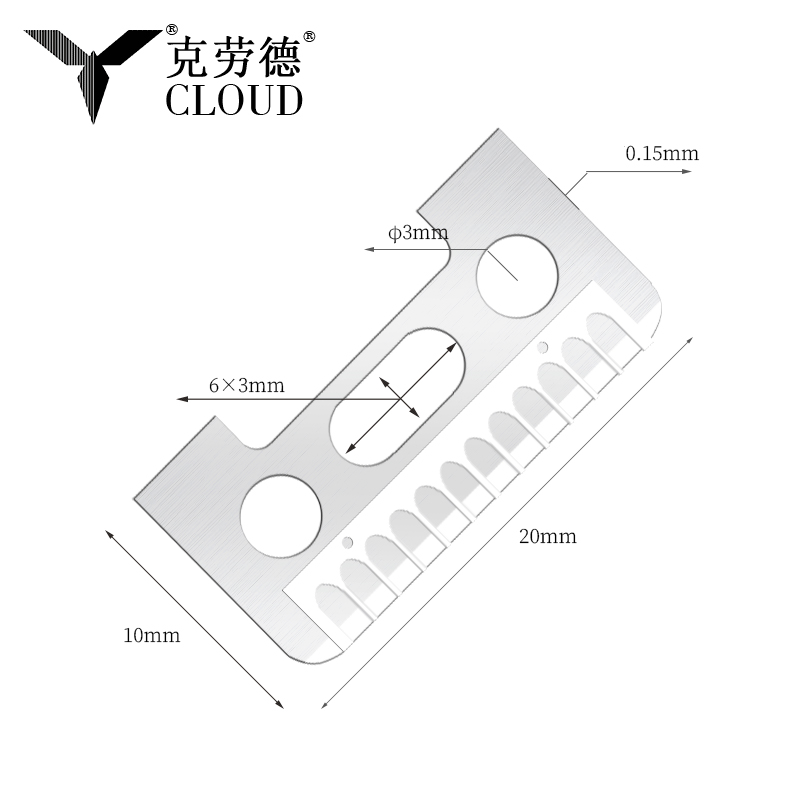
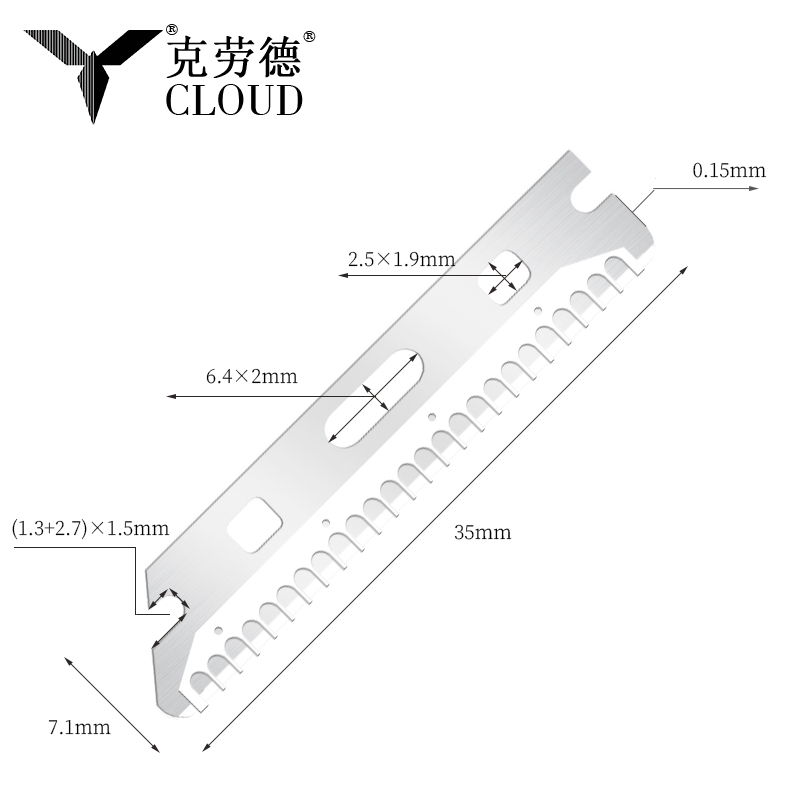
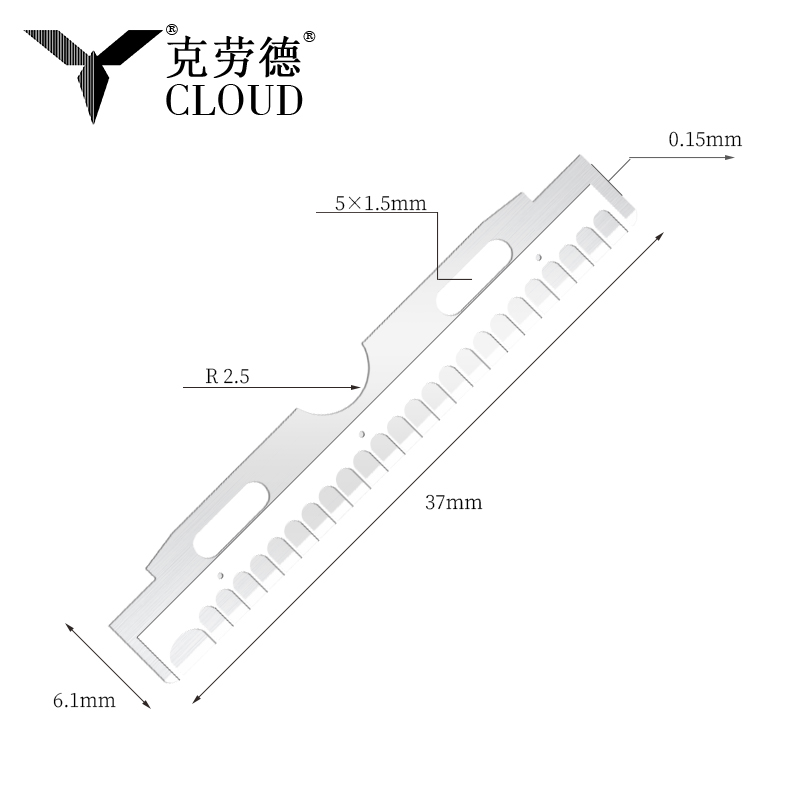
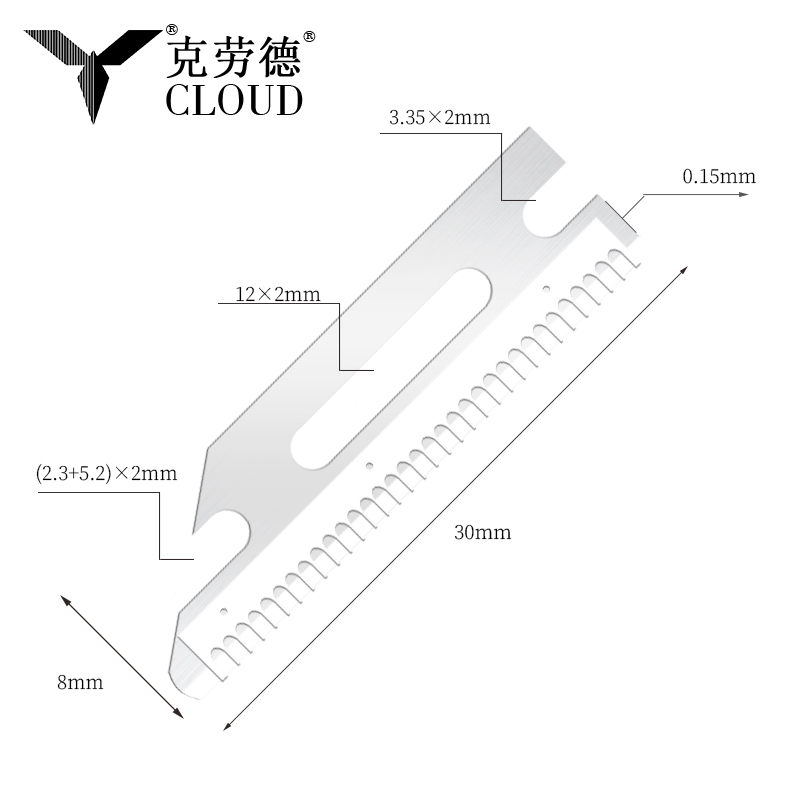
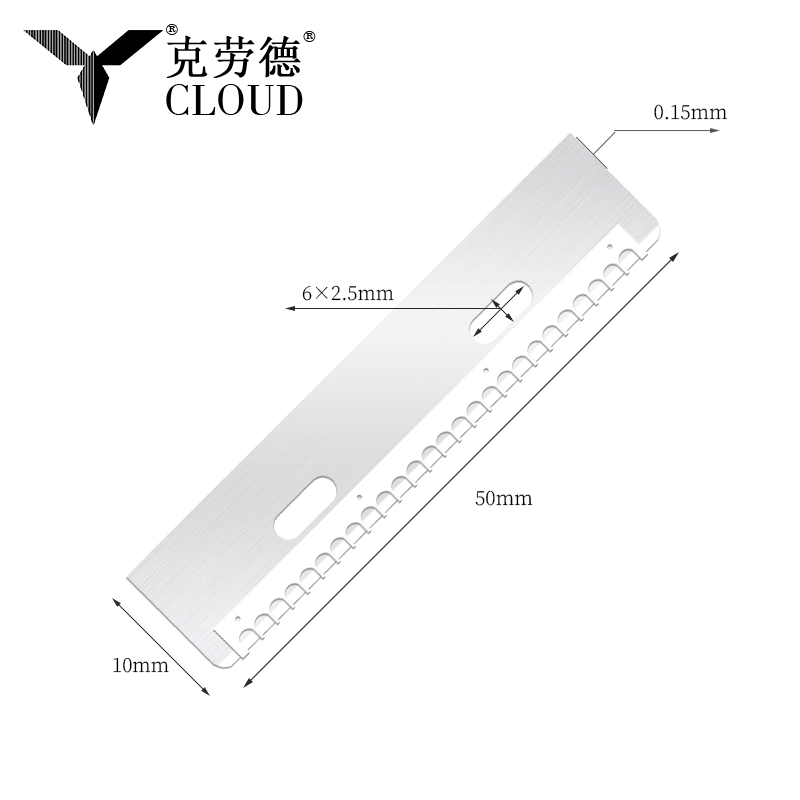
Single edge blades are used in many holders—manual utility handles, scraper tools, and automated cutting machines. Check dimensions such as overall length, width, and the position of any mounting hole or notch to ensure interchangeability. In automated or indexed systems, tight tolerances are critical; slight dimensional variance can cause feed errors, misalignment, or vibration that affects cut repeatability.
When ordering for machine use, provide exact holder model numbers and request samples for fit trials. If replacing blades in legacy holders, measure seated depth and lateral clearance to avoid unsafe protrusion or insecure clamping.
Safety, handling, storage and sharps disposal
Safety is a practical selection factor: blades that incorporate a safer handling notch, rounded non-cutting edges, or compatible disposable cartridges reduce accidental cuts during loading. Define storage protocols—sealed dispensers minimize exposure and reduce contamination that can blunt blades prematurely. For workplaces subject to health regulations, implement a sharps disposal plan and select blade forms that fit approved sharps containers.
Train personnel on safe blade changes and provide PPE as required. For high-volume operations, consider quick-change holders that limit direct blade contact during replacement.
Performance testing and quality indicators to request from suppliers
Require supplier test data relevant to your application: edge retention cycles (cuts per mm substrate), hardness measurements, coating adhesion tests, and dimensional tolerances. Inspect initial batch samples for burrs, inconsistent bevels, or edge micro-chips that indicate quality control lapses. For critical or safety-sensitive tasks, demand traceability and batch records.
Cost, inventory planning and lifecycle considerations
Balance unit cost against usable life and downtime for blade changes. Lower-priced blades may have acceptable performance for disposable single-use tasks but increase total cost through frequent replacements in continuous operations. Track usage metrics—cuts per blade, time to failure—and set reorder points in inventory to avoid substitutions that could compromise quality or safety.
Environmental and regulatory considerations
Consider recycling and waste regulations for metal scrub waste and used blades. Some jurisdictions treat blades as sharps with specific disposal requirements; confirm compliance needs. If sustainability is a procurement goal, check supplier policies on recycled content and blade packaging minimization.
Quick comparison: common blade materials and their application fit
| Material | Primary Benefit | Typical Use Case |
| High-carbon steel | Superior edge retention | Precision trimming, paper cutting |
| Stainless steel | Corrosion resistance | Wet environments, food packaging |
| Coated steel (TiN/PTFE) | Reduced friction, increased wear life | Adhesive films, tape cutting |
| Hardened tool steel | High toughness and wear resistance | Scraping, abrasive substrates |
Specification checklist before purchase
- Confirm blade material grade and hardness values.
- Verify edge geometry and factory grind finish for the intended cut.
- Check coating type and validated benefits (wear, friction, corrosion).
- Measure blade dimensions against holder or machine tolerances.
- Request sample run data, warranty terms, and disposal guidance.
Conclusion: match attributes to operational priorities
Choosing the correct single edge razor blade requires translating operational priorities—precision, longevity, corrosion resistance, safety, and cost—into measurable blade attributes. Use the material and geometry guidance above, run fit and performance trials with sample blades, and implement maintenance and disposal protocols to maximize safety and value in daily operations.
Related Products
Looking for a Reliable Blade?
Work with a Manufacturer.
Inquiry Us Now

-
 +86-400 9915 887
 -
 +86-021-57644936
 -
 [email protected]
 -
 No. 2066, Yushu Road, Songjiang District, Shanghai, China
QUICK LINKS
 Home
HomePRODUCTS
QR CODE
Copyright © 2025 Shanghai Cloud Blade Manufacturing Co., Ltd. All rights reserved.
 Custom Double Razor Blade Factory
