

 ENG
 English
 Español

Home / News / Industry News / Alum Stone for Shaving: How to Use an Alum Block After Shaving to Calm Skin
Message Feedback

Industry News
Nov 16,2026
Alum Stone for Shaving: How to Use an Alum Block After Shaving to Calm Skin
Every wet shaver eventually picks up a small, translucent block of mineral and wonders what all the fuss is about. Ten seconds later, the sting answers the question. An alum stone is one of the oldest tools in the barber's kit, older than the safety razor and far older than shaving foam in a can, and it still earns its place beside the sink for one simple reason: it gives you honest feedback about your shave.
We have been manufacturing razor blades since 1997, so a good deal of our working life is spent thinking about what happens in the minutes after the blade leaves the skin. This guide covers what an alum stone actually is, how to use one without drying your face out, and how to judge whether it belongs in your routine at all.
Content
What an Alum Stone Actually Is
An alum stone, also sold as an alum block or shaving alum, is a bar of crystallised mineral salt. The version you want for shaving is potassium alum, chemically potassium aluminium sulfate. It occurs naturally, although almost every block sold today is grown from a purified solution, which is why a good one looks more like a piece of ice than a piece of rock.
The crystal is strongly astringent. Wet it and the surface gives up a thin, salty film that pulls the skin taut and constricts surface tissue. Barbers have used it for centuries for two jobs that have never really changed: settling the skin after a close shave and stopping the small bleeds a razor leaves behind.
It helps to separate the products that look almost identical on a bathroom shelf. A styptic pencil is usually aluminium sulfate or a sharper salt blend, and it is dabbed onto a single nick rather than glided across the whole face. An alum block is the gentler, all-over version. Then there is ammonium alum, which stings more, dries harder, and turns up more often in underarm deodorant crystals than in shaving kits.
Why Barbers Keep One Within Reach
Three things happen when you run a damp alum block over freshly shaved skin:
- Surface tissue tightens, which closes the pores opened by warm water and lather.
- Small weepers and razor grazes stop bleeding quickly, often within half a minute.
- The skin is left momentarily clean, cool, and far less flushed than it was a moment earlier.
There is a fourth effect, and as blade makers it is the one we value most: feedback. If your face lights up the moment the stone touches it, something in the shave was too aggressive. Too much pressure, too many passes over the same patch, a blade well past its prime, or lather that had already dried on the skin. That sting map tells you more about your technique than any mirror ever will.
How to Use an Alum Stone After Shaving
The technique is simple, but the details are what keep the block from turning into a punishment.
- Finish the shave and rinse with cool water. Pat the skin gently but leave it slightly damp.
- Wet the block briefly under a running tap and shake off the excess. A dripping block simply wastes product down the drain.
- Glide rather than scrub. Use long, light strokes in the direction the hair grew, covering the beard area, jawline and neck. Keep the stone well away from the eyes.
- Let the film sit for 30 to 60 seconds. Notice where it stings, then rinse with cool water and pat dry.
- Moisturise within a minute or two. Alum is drying by design, so a fragrance-free balm or light lotion puts back what the salt has drawn out.
- Rinse the block, dry it, and stand it on a dish or a cloth so air reaches every face of the crystal.
If you are still working on angle and pressure with a double edge razor, an alum block makes a patient training partner. Our beginner walkthrough for shaving with a safety razor covers the mechanics; the stone quietly confirms whether the mechanics worked.
Alum Stone vs. Other Post-Shave Options
None of these products is a rival to the others, exactly. They solve different problems, and most routines are stronger when two of them are used in the right order.
| Option | Main job | Feel on skin | Best suited to |
|---|---|---|---|
| Potassium alum block | Astringent; tightens skin and stops small weepers | Brief sting, then tight and dry | Normal to oily skin; close shaves; barber-style routines |
| Alcohol-based splash | Disinfects and carries fragrance | Sharp burn, then a cooling rush | Shavers who enjoy a strong finish and tolerate drying |
| Witch hazel | Mild astringent with less tightening | Gentle, faintly warm | Sensitive skin; daily use |
| Aftershave balm | Rehydrates and soothes; no astringency | Soft and neutral | Dry skin, cold weather, or layering after alum |
| Styptic pencil | Heavy astringent for one specific cut | Localised, sharper sting | Individual nicks rather than the whole face |
Choosing a Stone Worth Keeping
Potassium alum first
Read the label before anything else. Potassium alum is the shaving grade. Ammonium alum costs less and dries more aggressively, which is fine for a deodorant crystal and considerably less fine for a freshly shaved neck.
Look for clarity and a smooth face
A good block is translucent, evenly coloured, and free of grit or hairline cracks. Run a fingertip across the surface; it should feel like polished glass. Sizes between 60 and 120 grams suit most hands, and rounded edges glide better than sharp corners cut for shipping weight.
Storage decides how long it lasts
Alum dissolves in water, so a block left sitting in a puddle will shrink and pit within weeks. Dry it after every use and store it uncovered. Treated that way, one block comfortably serves six months to a year. It is also brittle, and a drop onto a tile floor usually ends the relationship, though the shards still work for a single spot.
The Blade Is Still the Bigger Variable
An alum stone calms irritation; it does not prevent it. Most of the sting we hear about in customer conversations traces back to the edge. A sharp, evenly coated blade cuts hair cleanly at skin level with one or two passes. A dull or damaged edge tugs, skips, and forces you to go over the same patch again and again, and that repeated contact is what leaves the skin hot and raw.
We build blades on eight automated lines in Shanghai, with magnetron sputtering equipment that lays down nano-scale coatings to protect the edge, backed by an ISO 9001 quality system and roughly 300 million blades of annual capacity. It is unglamorous work, but it is the part of the routine that decides how much the alum block has to apologise for.
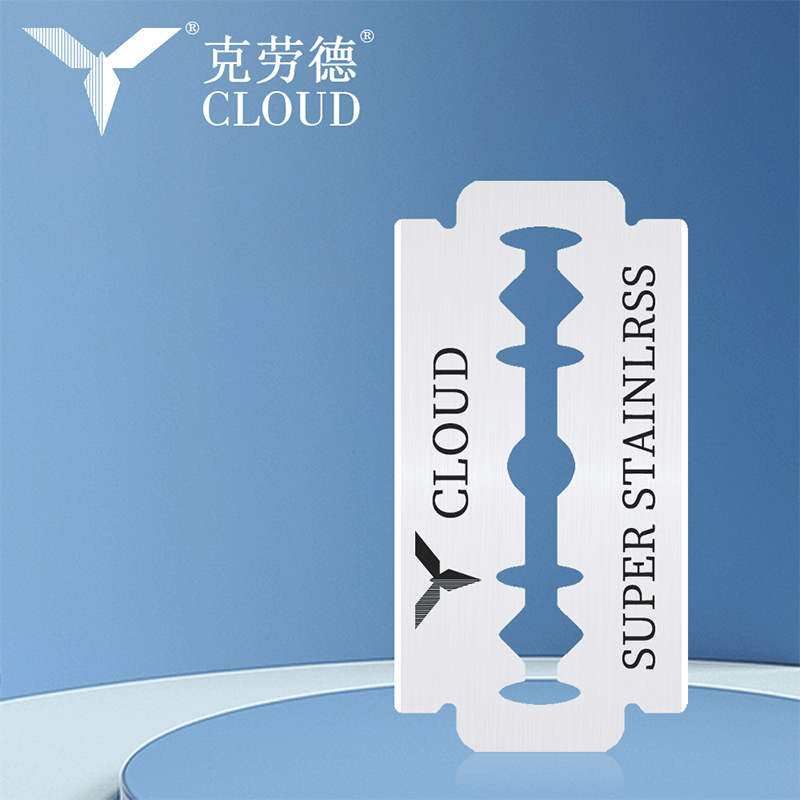 Super Steel 74 Double Edge Razor BladesPrecision double-edge blades with symmetrical holes and premium steel options, suited to shavers building a straightforward wet-shaving routine.View Product →
If you prefer a traditional setup, a fresh blade in a well-weighted handle also reduces the instinct to press. Our 74 blade manual razor set pairs a coated double edge blade with a handle available in ABS plastic or stainless steel, and it is a sensible starting point for anyone rebuilding a wet shaving routine around a single, honest tool.
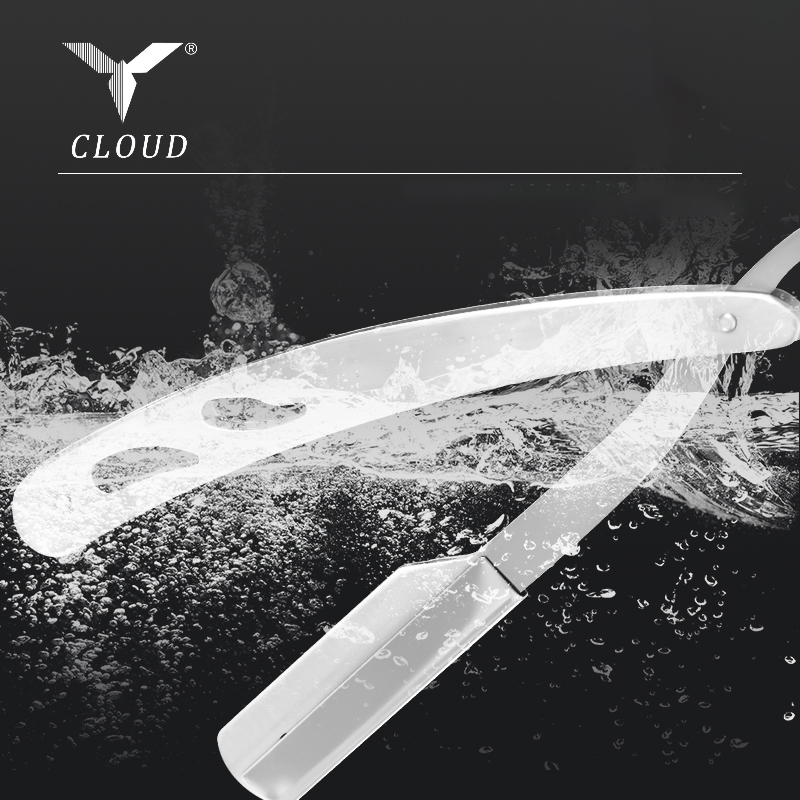 74 Blade Manual Razor Set with ABS or Steel HandleManual razor handle set in all-steel or ABS-wrapped versions, offering durability, easier sterilization, or improved grip for traditional wet shaving.View Product →
When to Skip the Alum Stone
Alum suits most skin, but not all of it. Dry, dehydrated, or barrier-compromised skin usually does better with witch hazel and a rich balm, because the tightening effect can tip into tightness and flaking. The same applies during an eczema or rosacea flare, and to anyone with active acne in the beard area.
Patch test on the inner forearm first if you are unsure. Apply a wet block, wait a minute, rinse. If the area stays red for more than a few minutes, your face will not enjoy it either. If a cut is larger than a surface weeper, skip the block entirely; firm pressure and a proper styptic are the right tools there.
It is also worth saying plainly that alum is not a moisturiser, not a sunscreen, and not a substitute for either. For shavers whose skin reacts to almost everything, a milder razor and a shorter, single-pass routine often make more difference than any post-shave product.
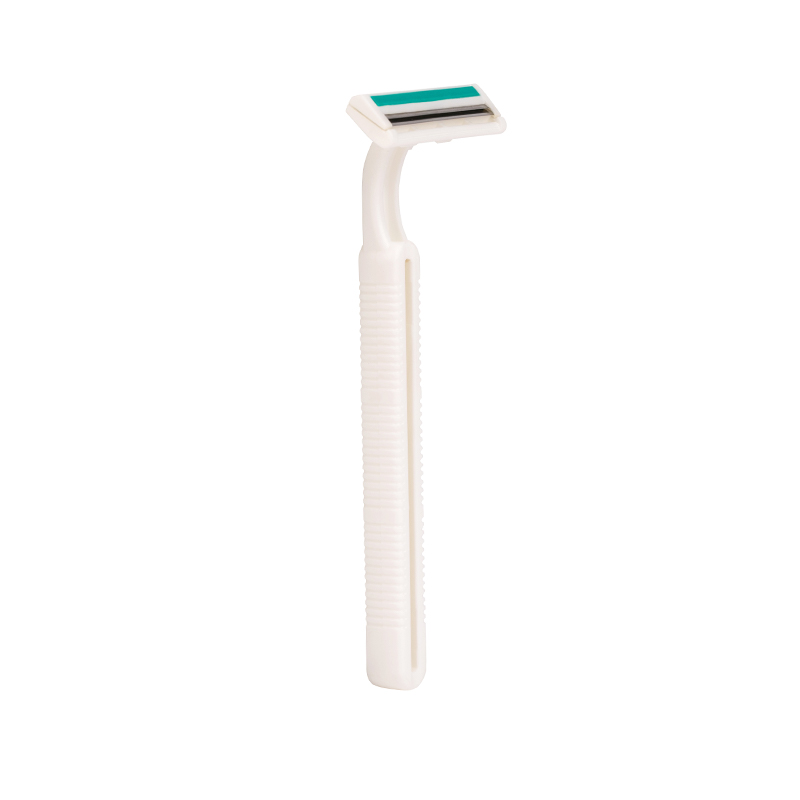 Reusable Dual-Blade Razor for Sensitive SkinManual razor with two blade layers and replaceable 6Cr13 stainless steel blades, designed to reduce repeated strokes and irritation during sensitive-skin shaving.View Product →
Mistakes We See Most Often
- Using the block on dry skin, which drags and creates the very irritation it is meant to calm.
- Pressing hard to chase a stronger effect. Light pressure does the job; force simply stings.
- Leaving the film on for ten minutes or longer, which leaves the skin tight and flaky by evening.
- Storing a wet block in a sealed tin, where it slowly dissolves and pits.
- Sharing one block between two people, which is a small hygiene gamble with no upside.
- Using the same crystal on the face and under the arms, then wondering why the face stings.
- Expecting the stone to compensate for a blade that should have been replaced two shaves ago.
An alum stone will not turn a rushed shave into a good one. What it will do is close out a good shave cleanly, stop the occasional weeper, and give you a quick, blunt read on your technique. Keep the block dry, keep the blade fresh, and the whole ritual takes under a minute. If you would like to know more about how our blades are specified and produced, our frequently asked questions are a good next stop.
Related Products
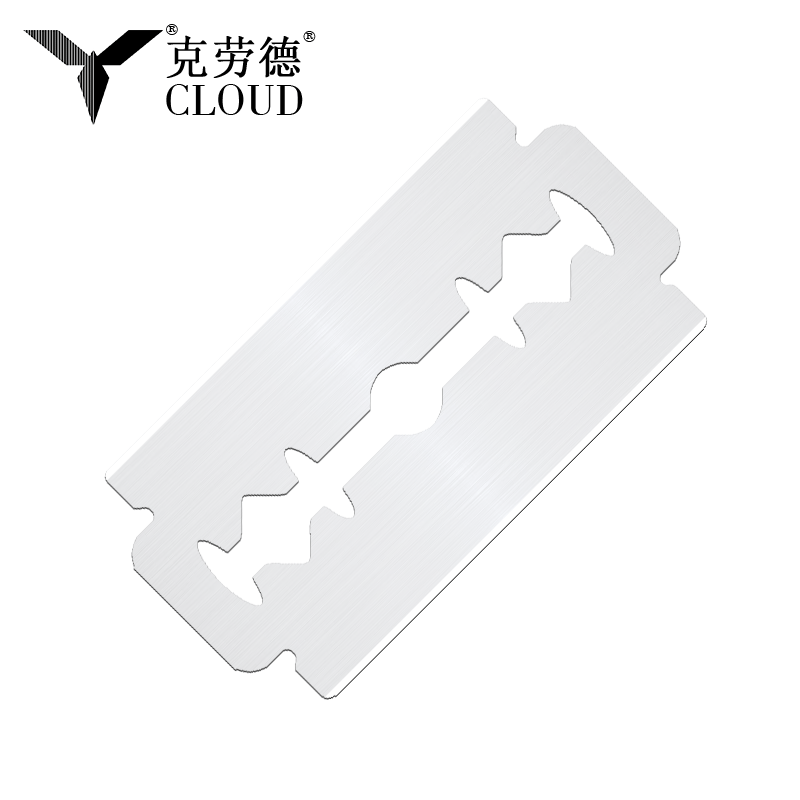
Looking for a Reliable Blade?
Work with a Manufacturer.
Inquiry Us Now

-
 +86-400 9915 887
-
 +86-021-57644936
-
 [email protected]
-
 No. 2066, Yushu Road, Songjiang District, Shanghai, China
QUICK LINKS
 Home
PRODUCTS
QR CODE
Copyright © 2025 Shanghai Cloud Blade Manufacturing Co., Ltd. All rights reserved.
 Custom Double Razor Blade Factory
